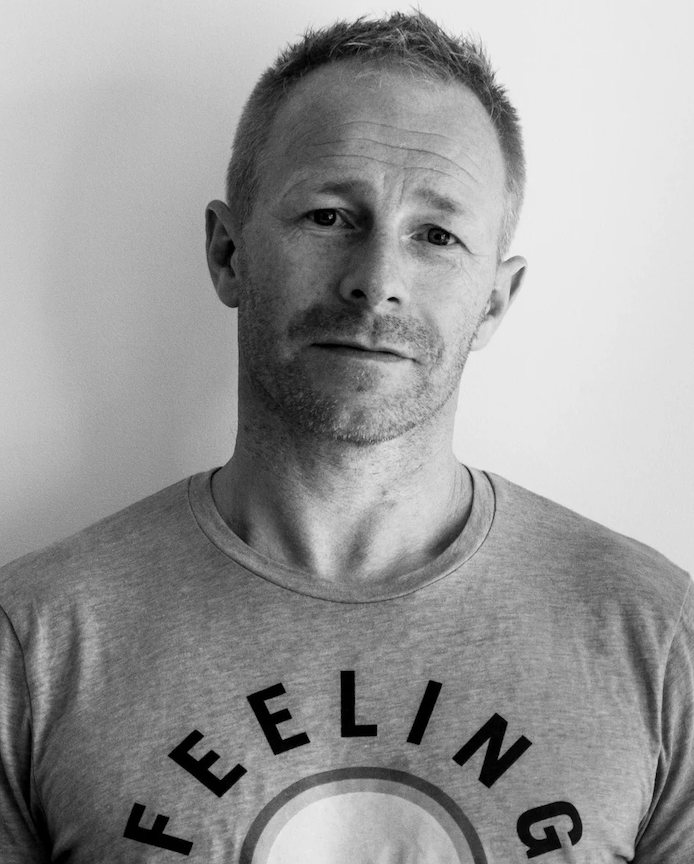
Meet Paul McCann, a mental health professional with over two decades of dedicated service. Specialising in Cognitive Behavioural Therapy (CBT) for the past five years, Paul offers effective strategies for managing various mental health challenges.
Driven by empathy and compassion, Paul tailors his approach to meet individual needs, guiding clients towards healing and growth. Known for his warm demeanor, he creates a safe space for open exploration of thoughts and emotions.
With a commitment to mental wellness, Paul’s expertise and genuine care make him a trusted professional for anyone seeking support on their journey to emotional well-being.
Qualifications and memberships
BA Hons
PGCert in Health Sciences endorsed in Cognitive Behaviour Therapy
PGDip in Health Sciences endorsed in Cognitive Behaviour Therapy
PgCert in Health Sciences specialisation in Alcohol and Drug Studies
Certified level 2 TEAM-CBT
Te Whatu Ota Accredited registered with the New Zealand Association of Counsellors. NZCA full member.
Executive committee member of the Aotearoa New Zealand Association for Cognitive Behaviour Therapies ANZACBT
Areas of expertise and interest
Anxiety
Depression
Post-Traumatic Stress Disorder
Worry
Panic
Social Phobia
Grief and loss
AOD issues
Stress and life challenges
Services
Individual Counselling
ACC Counselling
Clinical Supervision
*I can not provide Emergency services. If you need immediate help, please phone 111.
What is Cognitive Behaviour Therapy CBT
Cognitive Behavioral Therapy (CBT) is a widely used approach that focuses on the connection between thoughts, feelings, and behaviors. By identifying and challenging negative thought patterns, known as cognitive distortions, clients learn to replace them with more balanced ones. CBT is structured, goal-oriented, and provides practical strategies to address a variety of mental health issues, leading to improved well-being.
What is Integrative Counselling
Integrative counselling is an approach that combines techniques and insights from multiple therapeutic modalities or theoretical orientations. Rather than adhering strictly to one specific approach, integrative counsellors draw from a diverse range of therapeutic frameworks to tailor their interventions to the unique needs of each client.
The goal of integrative counselling is to create a personalised and flexible treatment plan that addresses the individual’s specific concerns, preferences, and goals. Integrative counsellors may use different techniques and interventions depending on the client’s presenting issues, personality, cultural background, and therapeutic goals. They may incorporate elements such as talk therapy, cognitive restructuring, mindfulness practices, among others.
Overall, integrative counselling recognises that there is no one-size-fits-all approach to therapy and emphasises the importance of flexibility and responsiveness to the individual needs of each client. It allows counsellors to draw upon a diverse range of resources and techniques to provide effective and personalised treatment.